
If you're comparing schools around Orlando, you've probably noticed how many of them use the words "college prep" or "preparatory" in their name or on their website. The phrase gets used loosely, so it helps to know what it's supposed to mean and which questions show whether a school lives up to it.
What does "college preparatory" mean?
A college preparatory school, often shortened to college prep school or simply prep school, is a school whose main academic goal is to get students ready to be admitted to a four-year college and to do well once they arrive. That goal shapes what's taught, how quickly courses move, how much writing and independent work students do, and how much help families get with the college search.
It's worth knowing that "college preparatory" isn't an official designation. No agency awards the label, which means two schools with "preparatory" in their names can run very different programs. Many college prep schools are private, and plenty of public, charter and magnet schools offer college prep courses as well.
College prep school vs. public school: how are the days different?
Parents often ask how a college prep school compares with their zoned public school, and the fair answer is that it depends on both schools. Many public high schools offer honors, Advanced Placement and dual enrollment classes, and many of their graduates go on to four-year colleges. The difference is usually one of design: at a college prep school, the college-bound path is the standard program for every student instead of a track that some students opt into.
In practice, that tends to show up in three places.
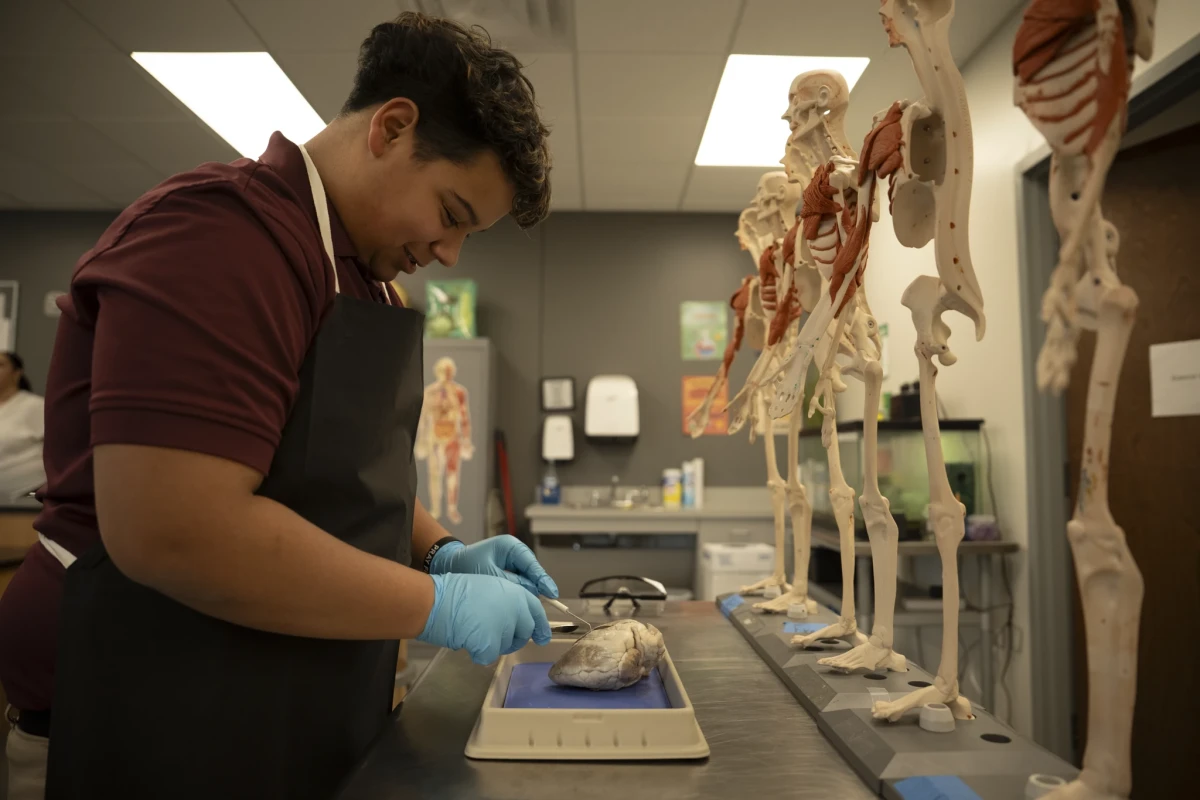
- Coursework. Core classes move at a pace and depth meant to match what colleges expect, with honors or college-level options in the upper grades and regular writing, research and lab work along the way.
- Advising. Someone who knows your child helps plan courses across all four years of high school, and college counseling begins well before senior year.
- Expectations. Students manage homework, deadlines and longer projects with growing independence, and teachers who know each student well can step in early when someone starts to slip.
Class size matters here too, because a teacher with small class sizes has more room to give written feedback and notice a gap early.
What should you look for in a college prep school?
Since any school can call itself college preparatory, it's worth looking for evidence in four areas.
Accreditation. Accreditation means an outside organization has reviewed the school against published standards and returns periodically to review it again. It's generally voluntary for private schools, so ask which organizations accredit the school and confirm it on the accreditor's own website.
College counseling. Ask who does the counseling, when it starts and what it covers. A solid program helps with course planning, testing, college lists, essays and applications.
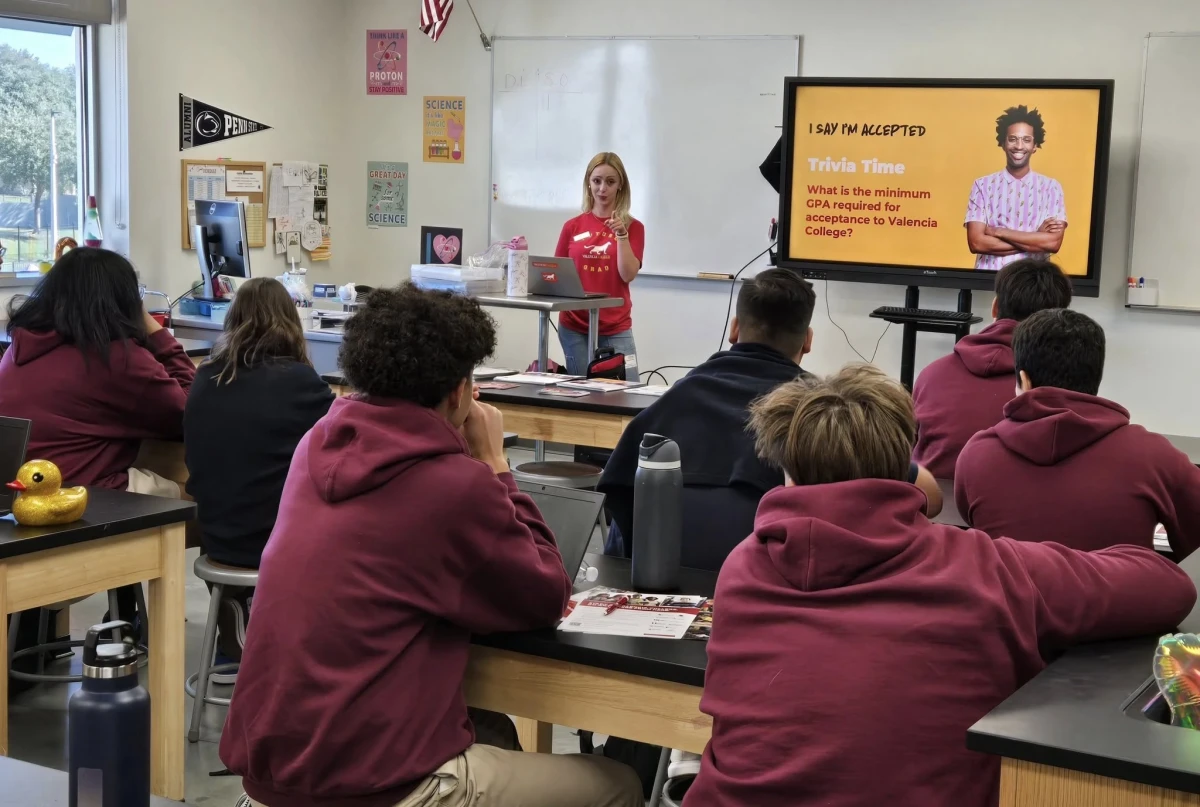
Course rigor. You want to see four years of core subjects, honors or advanced options, and a way to earn college credit, such as dual enrollment, where a student takes college courses while still in high school. Whether a particular college accepts those credits is up to that college.
Outcomes. Ask what share of graduates go on to four-year colleges and where recent graduates have enrolled. It's also fair to ask how the school defines each number it publishes.
When does college prep start?
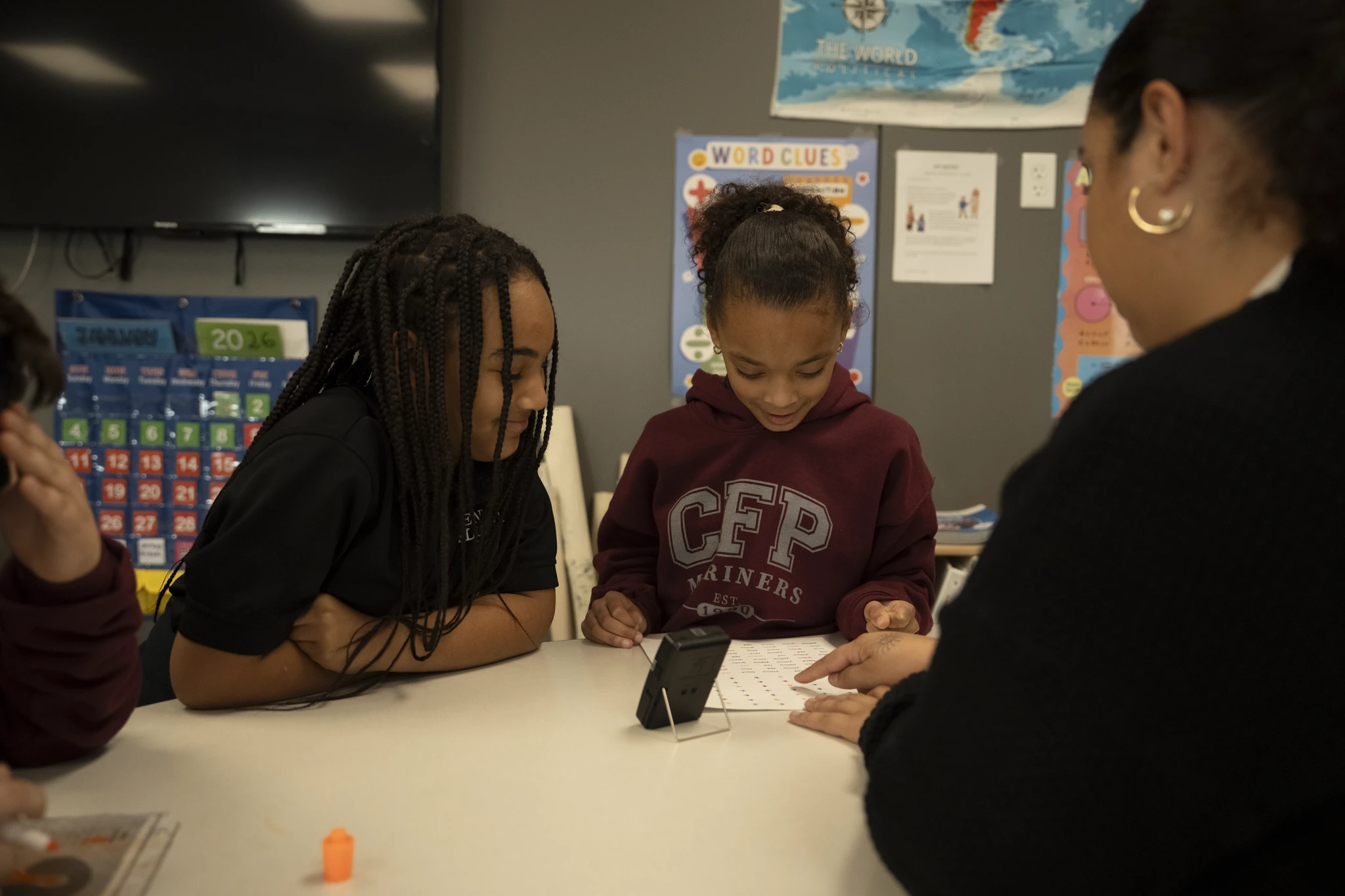
College prep isn't only a high school program. The reading stamina, math fluency and study habits that a rigorous high school schedule depends on are built over many years, which is why some preparatory schools begin well before ninth grade. In the early grades, that means strong foundations in reading, writing and math, along with the curiosity and independence that make harder work possible later, and it doesn't mean pressure or piles of homework.
Central Florida Prep is one example of a school that covers the whole span on one campus. Its Montessori program serves children ages 3 to 6, who work at their own pace across five learning areas. Elementary covers 1st through 5th grade, with Project Lead The Way STEM, art, music and Spanish alongside core academics. Middle school, grades 6 through 8, adds accelerated course options, and the school describes its middle schoolers as "prepared for a seamless transition into high school." High school, grades 9 through 12, brings together the college preparatory curriculum, honors courses, dual enrollment and college counseling.
What questions should you ask on a school tour?
A tour is the best chance to see whether a school's college prep claims hold up, and a few direct questions will tell you a lot.
- Which organizations accredit the school, and when was the most recent review?
- What does a typical four-year high school course plan look like, and which honors or dual enrollment courses are offered?
- Who handles college counseling, and in which grade does it begin?
- What share of your graduates enroll in four-year colleges, and where have recent graduates gone?
- How do teachers find out that a student is struggling, and what happens next?
- How do the lower and middle grades prepare students for the high school program?
Listen for specific answers, because a school that does this well can usually name the courses, the people and the numbers without reaching for a brochure.
A college preparatory school near Orlando: how does Central Florida Prep approach it?
Families across Central Florida have a wide range of choices, so it helps to see how one local school answers the questions above. Central Florida Preparatory School is an independent private school in Apopka for students in Pre-Kindergarten through Grade 12, and it has been teaching Orlando-area children since 1990. The school took its current name in 2001, in the words of its history page, "to reflect its deepening commitment to academic rigor and college preparation."
Here's what the school publishes about its own program.
- Accreditation. The school's accreditation page lists four organizations: MSA-CESS, Cognia, NCPSA and AISFL.
- Coursework. The high school page says its "college preparatory curriculum combines rigorous coursework, honors courses, and dual enrollment opportunities through Valencia College" and lists electives from biomedical technology and engineering to performing arts, Spanish and agriculture.
- Counseling. High school students receive what the school calls "personalized college counseling."
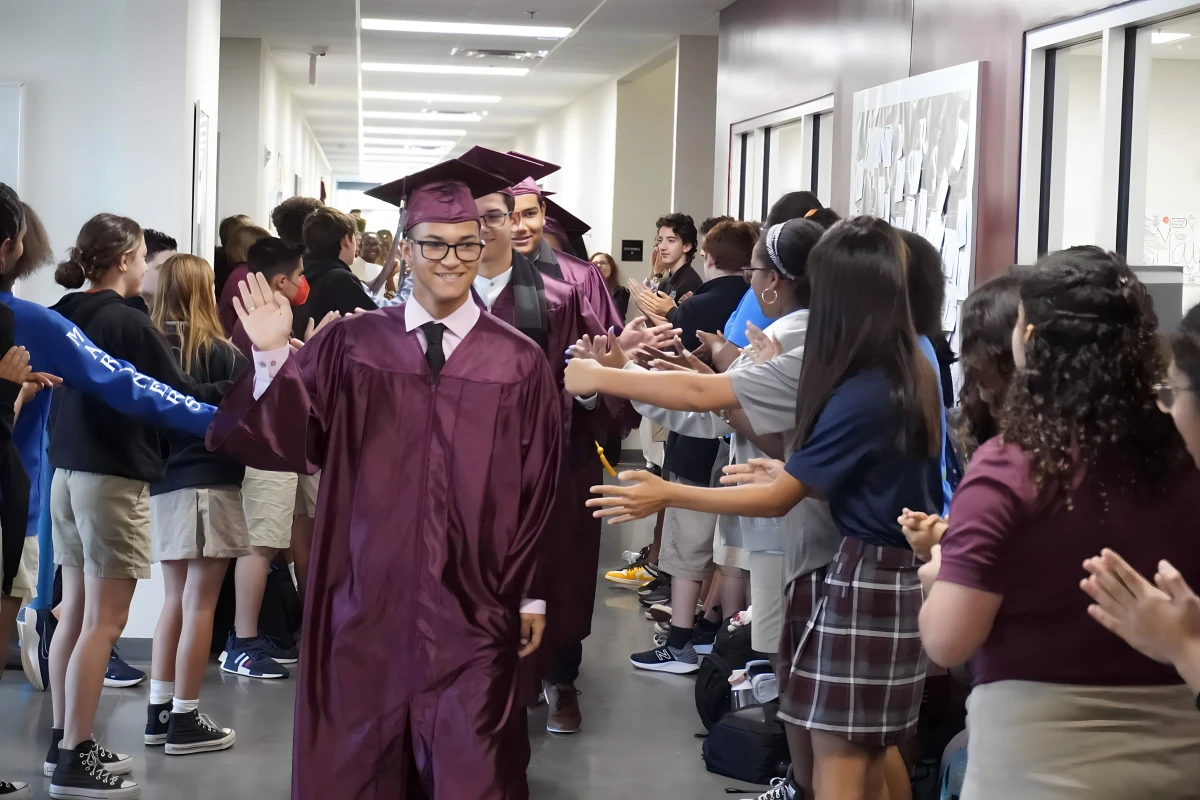
- Outcomes. The school's homepage reports that "100% of graduates matriculate to 4-year colleges & universities" and lists an average SAT score of 1280.
The school's stated mission is "to bring innovation to education while giving each child what he or she needs to be successful, recognizing that not every child needs the same thing," and small class sizes are a large part of how teachers carry that out.
Frequently asked questions about college prep schools
What is a college prep school?
A college prep school is a school whose program is built to prepare every student for admission to a four-year college and for the work they'll do once they're there. The term is short for college preparatory school, and it isn't an official designation, so the strength of the program varies from school to school.
Is a preparatory school the same as a private school?
The two words describe different things: "private" describes how a school is governed, while "preparatory" describes what its program is designed to do. Many private schools are college preparatory, some have a different focus, and some public, charter and magnet schools offer college prep programs too.
Does college prep start in high school?
High school is where college prep is most visible, because that's when transcripts, test scores and applications come into play. The skills behind it, including reading, writing, math and study habits, are built in the elementary and middle grades, which is why some preparatory schools enroll students from PreK through 12th grade.
Does a college prep school mean my child will get into college?
No school can promise admission to a particular college, because those decisions belong to the colleges. What a good college prep school can do is make sure students have taken the right courses, built strong study habits and had real help with the application process.
Is there a college preparatory school near Orlando I can tour?
Central Florida Prep is a PreK through 12 college preparatory school at 1800 Marden Road in Apopka, just northwest of Orlando. Tours are private, and you can request one through the tour request form on the school's admission page or by calling (407) 290-8073.